
Qualcomm will supply the radios for Starlink Mobile's planned U.S. terrestrial 5G network. The rollout is supposed to start in 2027, across tens of thousands of sites.
That is a purchase order, not a network.
What Qualcomm actually announced
Qualcomm said on November 4, 2026 that SpaceX selected its Dragonwing Cellular Infrastructure platforms for Starlink Mobile's U.S. terrestrial 5G network. The rollout is planned to start in 2027. The agreement covers tens of thousands of sites over multiple years. The radios are 64-transmit, 64-receive Massive MIMO, on the QRU100 radio platform and the QDU100 baseband platform, with Qualcomm's commercial Layer 1 software (Qualcomm).
That is a vendor selection. It is not a network.
The announcement is being written as if Starlink already has a nationwide cellular grid. It does not. The release came with no count of permitted sites, powered sites, or lit sites. Michael Nicolls, Starlink's SVP, said they are building "the first fully-integrated nationwide satellite and terrestrial network." That is the goal. The hardware contract is how they intend to get the radios. Permits, power, backhaul, and tower rights are the build.
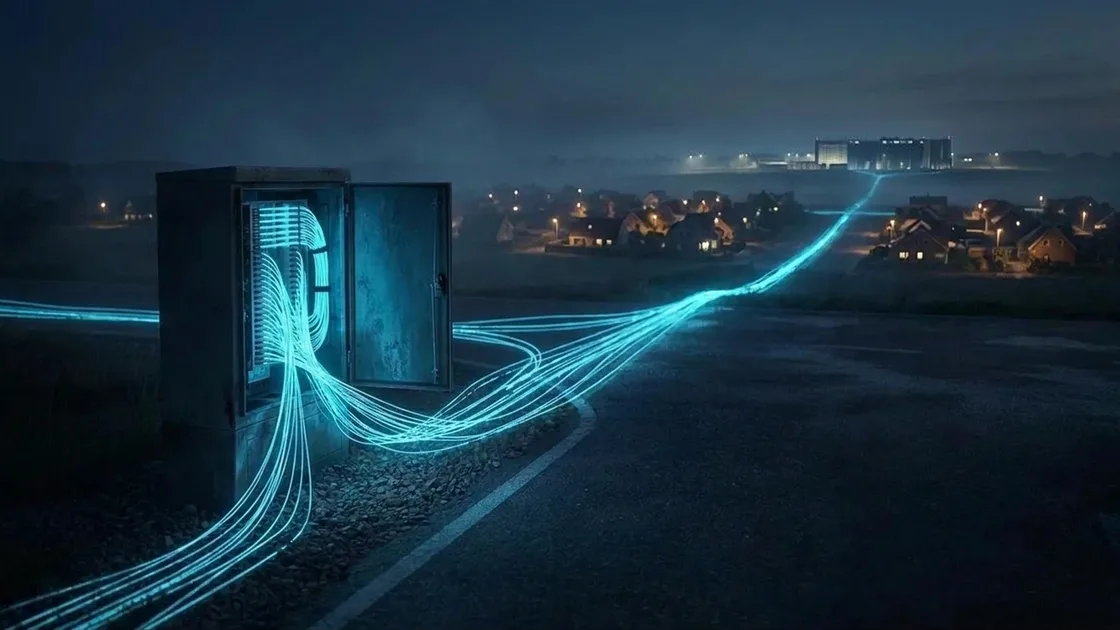
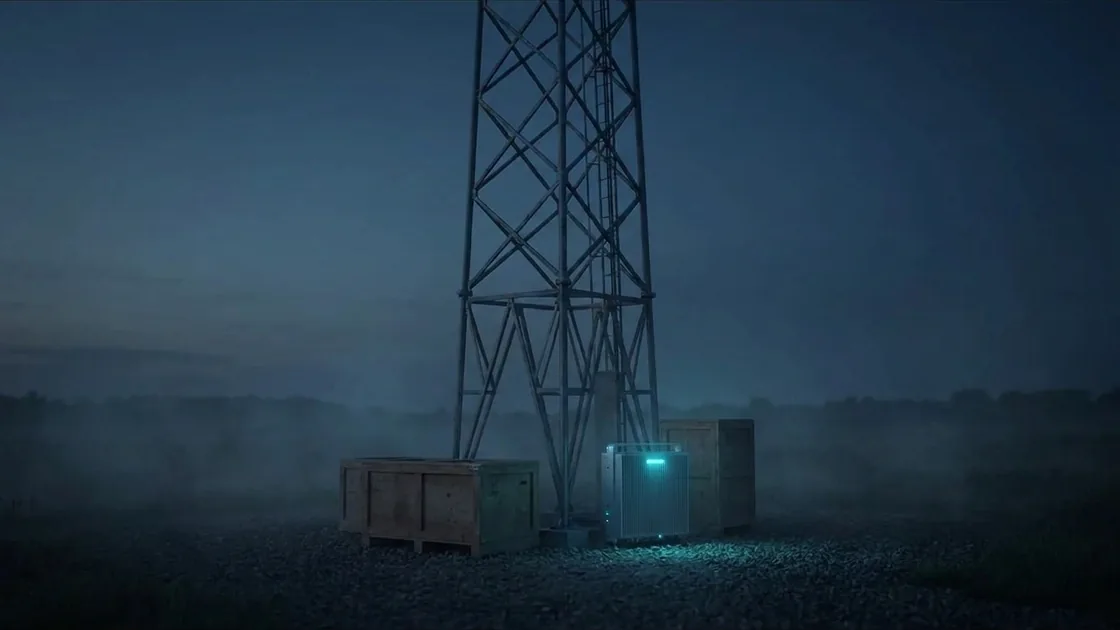
A 64T64R radio is a serious macro radio. It is also a box that does nothing until someone hangs it, powers it, and connects it back to a core. Tens of thousands of those, spread over several years, is a large greenfield program. National carriers already have the sites, the laterals, and the customers. Starlink is ordering radios for a network it still has to construct. Qualcomm also called the deal a step toward AI-native 6G. That line is sitting on top of a 5G radio contract.
Boost Mobile is a different deal
The other story next to this one is not the same deal. On November 2, The Washington Post reported that SpaceX is in talks to buy Boost Mobile from EchoStar (TechCrunch). Neither company has confirmed it. In that reporting, Boost leases capacity from AT&T and T-Mobile rather than operating its own towers, and those leases usually do not transfer with a sale. EchoStar's mobile base is about 7.5 million customers across Boost and Gen Mobile. Buying a brand and a wholesale agreement is a retail shortcut. It does not hang 64T64R radios.
SpaceX already bought spectrum. In 2025 it agreed to buy about $17 billion of wireless spectrum from EchoStar. Spectrum lets a signal exist. It does not put a site on a water tower.
What this means for independent fiber and fixed wireless owners
For independent fiber and fixed wireless owners, the useful question is narrower than whether Starlink is coming for everyone.
The three national wireless carriers are not waiting on this release. They have already split the customer from the plant. AT&T, Verizon, and T-Mobile are funding fiber through joint ventures with infrastructure capital, and those ventures need networks to buy. I wrote that up in Every fiber joint venture needs something to buy. A Starlink terrestrial build does not retire that buyer. It adds one more question a seller will get in diligence.
It will also show up in pricing conversations before a single Starlink Mobile site is on air. A new national brand with a satellite story gets used in the living room whether the tower is in that town or still on a slide. Independent ISPs do not get to sit out the broadband price war just because the overbuild is a press release.
The question buyers will ask
Buyers of smaller networks will ask the practical version. Is this market on a plausible Starlink Mobile wave, and if it is, what overlaps the fiber or fixed wireless plant? Most of the consolidation I still hear about is networks under 100,000 passings, not a 2027 radio contract replacing the local operator. The contract changes the question. It does not answer it.
If you own the ISP, the preparation is the same work it was last month. Clean the plant records, know the overlap, and know what a buyer will haircut. How buyers actually price an ISP sale is the longer version. For wireless operators, the WISP exit guide covers the plant-specific items.
I would not underwrite a market as lost to Starlink off this release. I also would not ignore a named radio vendor, a 2027 start, and a site count in the tens of thousands. Those belong in the diligence file. They are not a reason to mark the network built.
Where Standard fits
Standard buys independent North American broadband infrastructure: fiber operators, WISPs and data centers. Overlap risk is part of every underwriting we do, and a press release is not the same as a lit site. If you want a buyer's read on how a Starlink Mobile build would land in your market, start the conversation before the tower is real.
General commentary on infrastructure markets. Not an offer to sell or a solicitation of an offer to buy any security, and not investment advice.