

M&A Guides for Digital Infrastructure Owners
Practical, sourced guides to selling or acquiring a data center, telecom or broadband business — written for the owners and operators making the decision.

Digital infrastructure M&A — the buying and selling of data centers, fiber networks, fixed-wireless operators, cable systems and the telecom businesses built on them — has become one of the most active corners of private markets. Record data center deal value in 2025, a steady run of fiber consolidation, and a widening pool of infrastructure funds mean most owners will field an inbound offer at some point. Few have sold a company before, and the buyer across the table usually has.
These guides exist to narrow that gap. Each one is written for an owner or operator considering a sale or an acquisition, not for a banker or a lawyer. They cover the current market, who the buyers are and what each type pays for, how the asset is actually valued, the preparation that protects your price, a realistic deal timeline, the diligence you should expect, the mistakes that cost sellers the most, and a short FAQ. Every statistic, multiple and market claim is cited to a current, named source, and where a figure comes from an advisory firm's estimate rather than a disclosed transaction, we say so.
The guides are informational. They are not legal, tax or investment advice, and they do not describe any specific transaction. Use them to walk into your first conversation with an advisor, a buyer or a lender already knowing the questions that matter.

Data Center Owner's Guide to Strategic Exits and Acquisitions
Valuation per megawatt, why power decides price, the 6–9 month deal timeline, the diligence list buyers run, and the mistakes that cost sellers the most.
Read the guide →
Telco Mergers and Acquisitions Guide
H1 2026 deal data, EBITDA and per-passing benchmarks from disclosed transactions, the buyer map, a 6–12 month timeline, and the FCC and state approvals that set your closing date.
Read the guide →
The WISP Owner's Guide to Strategic Exits
What your fixed-wireless business is worth and how to maximize it: strategic versus financial buyers, standalone spectrum and tower value, earnout mechanics, and the 60-day close.
Read the guide →Three asset classes, three different buyers.
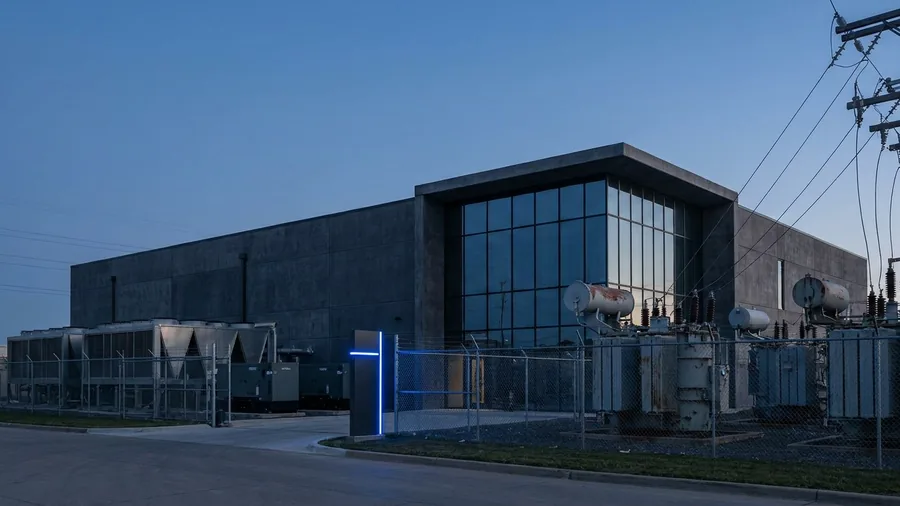
Data center owners
Colocation, enterprise and edge facilities from a single site to a regional portfolio. The value is in energized power and contracted cash flow; the guide shows how buyers underwrite both.
Data center guide →
Telecom and fiber operators
Fiber, cable, hybrid and competitive carriers in one market or several states. Penetration, churn, regulatory record and subsidy obligations set the price; approvals set the closing date.
Telecom M&A guide →
Fixed-wireless (WISP) owners
Operators with a few towers to a few hundred. Spectrum licenses and owned towers often carry value separate from the subscriber base, and the buyer type changes the number.
WISP exit guide →What buyers look at in each.
| Data centers | Telecom / fiber | Fixed wireless (WISP) | |
|---|---|---|---|
| Primary valuation lens | Income on commissioned MW; per-MW comps; replacement cost | EBITDA multiple cross-checked per passing and per subscriber | Adjusted EBITDA multiple plus standalone spectrum and tower value |
| What moves the price most | Energized, contracted power and tenant credit | Owned fiber, penetration headroom, churn | Licensed spectrum, owned towers, buyer type |
| Typical process | 6–9 months | 6–12 months, regulatory approvals the swing factor | Often 60–120 days once an LOI is signed |
| Where deals re-trade | Power not energized; utility take-or-pay floors; end-of-life plant | Subscriber counts that don't tie to billing; subsidy exposure; consents | Lease and financing terms on towers; EBITDA add-backs that don't hold |
| Who buys | Infrastructure funds, REITs and platforms, hyperscalers, regional strategics | Wireless carriers, cable, fiber platforms, sponsors, fiber JVs | Regional telcos and cable, large WISPs, PE roll-ups |
Timelines and drivers are summarized from the guides above, which cite the underlying sources.
Five things to have in hand.
Most owners take the first inbound call unprepared and spend the rest of the process catching up. Five things to have in hand before you pick up.
Talk it through with us →Know your number first
Adjusted EBITDA with a defensible bridge, plus the asset-level value — power, spectrum, towers, fiber — that sits outside it. The first number you hear should be yours.
Build a one-page fact base
Capacity or passings, utilization or penetration, churn, contract terms, remaining build and capex. Buyers decide in the first ten minutes whether you know your business.
Inventory every consent
Leases, utility agreements, pole attachments, licenses, franchises — anything a third party must approve to transfer. Find them before a buyer does.
Decide what you want
Cash at close, upside through earnout or rollover equity, or continuity for your team. The right buyer type follows from the answer, not the other way round.
Run a process, even a small one
One buyer tells you what they will pay. Three tell you what the business is worth.
Read them in the order the deal happens.
Each guide follows the same arc — market, buyers, valuation, preparation, process, diligence, mistakes — so a chapter you have read in one is familiar in the next.
These guides are informational only and do not constitute legal, tax or investment advice, an offer to buy or sell any security, or a description of any specific transaction. Consult qualified advisors before acting on any sale or acquisition.
Thinking about a sale or an acquisition?
Standard acquires and partners with broadband, telecom and digital infrastructure operators across North America. If you own one and want a confidential, no-obligation conversation about your options, we would like to hear from you.
Start a conversation →